

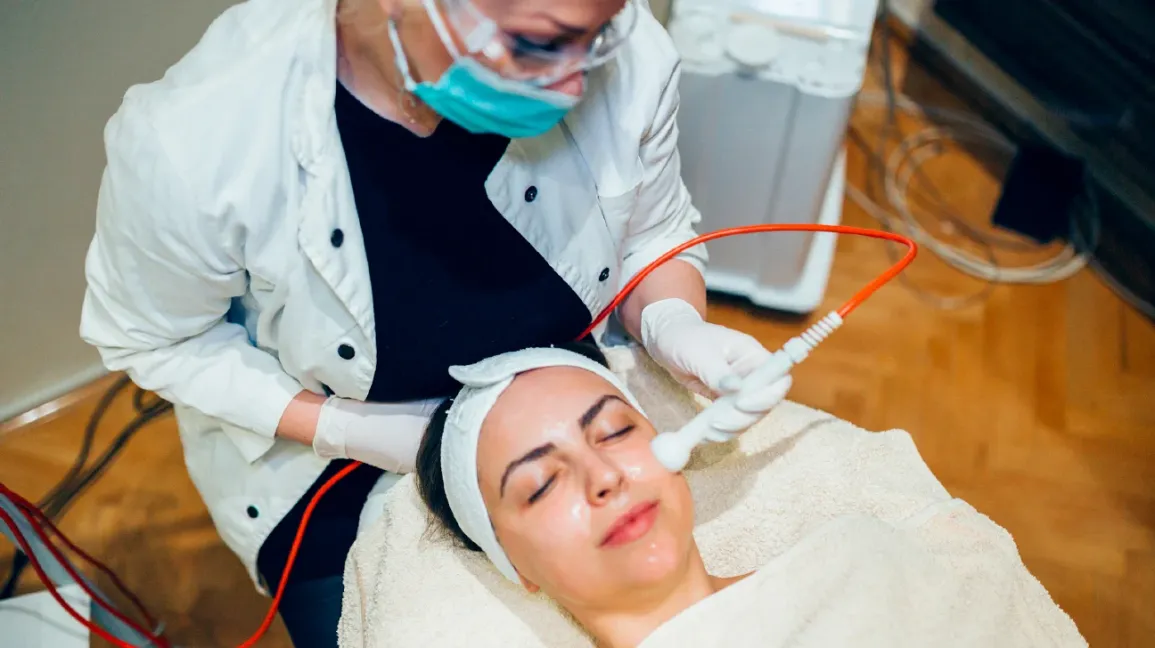
Treatment, in its many forms, stands as a cornerstone of human well-being, whether in the context of physical health, mental wellness, or the management of disease. The term itself encompasses an array of methodologies aimed at alleviating symptoms, curing ailments, or improving the overall quality of life for individuals facing medical or psychological challenges. While medical treatment is often associated with clinical settings and therapeutic interventions, the concept transcends the confines of healthcare, playing a pivotal role in fields as diverse as psychology, rehabilitation, and even social work.
At its core, treatment is not merely a routine or prescribed action; it is an art. To truly understand the depth of its impact, one must explore the varied approaches, challenges, and evolving landscape that defines modern treatment methods.
Understanding Treatment: A Multi-Faceted Approach
Treatment can take on many forms depending on the condition or situation at hand. In the medical field, treatments are typically categorized based on the nature of the condition being addressed. The most common types of treatment include:
-
Pharmacological Treatments: These involve the use of medication to manage, cure, or prevent diseases. From antibiotics that fight infections to antidepressants that stabilize mood disorders, pharmaceutical treatments have revolutionized modern medicine. The field continues to evolve with advancements in personalized medicine, which tailors treatment based on an individual’s genetic makeup, thereby optimizing outcomes and minimizing side effects.
-
Surgical Treatments: In some cases, physical intervention through surgery is necessary to treat a condition. Surgical procedures range from simple, minimally invasive operations to complex, life-saving surgeries that require sophisticated technology and expertise. The advancements in robotic surgery and minimally invasive techniques have transformed the surgical landscape, offering patients quicker recovery times and less invasive options.
-
Psychological Treatments: Mental health care is equally vital, and psychological treatments such as cognitive-behavioral therapy (CBT), psychoanalysis, and newer techniques like mindfulness-based therapies are employed to treat conditions such as depression, anxiety, and trauma. These therapies help individuals address the root causes of their mental distress, offering long-term coping mechanisms and improving emotional resilience.
-
Holistic Treatments: This category encompasses a variety of alternative medicine practices, including acupuncture, chiropractic care, herbal remedies, and naturopathy. Though often regarded with skepticism in some circles, many patients turn to holistic treatments to complement traditional medical practices, seeking a more comprehensive approach to wellness that integrates mind, body, and spirit.
-
Rehabilitative Treatments: For individuals recovering from injury, surgery, or addiction, rehabilitation is a key aspect of treatment. Physical therapy, occupational therapy, and addiction counseling are common forms of rehabilitation, designed to restore functionality and help individuals regain their independence. Rehabilitation also plays a critical role in mental health recovery, offering individuals a structured environment to rebuild their emotional and psychological strength.
Challenges in the Treatment Process
While modern medicine has made incredible strides, challenges persist in delivering effective treatments. One of the primary obstacles is the complexity of individual response. People do not respond to treatments in the same way, and factors such as genetics, lifestyle, environment, and comorbid conditions can all influence the success of a given therapy.
Another significant challenge is the rising issue of treatment resistance. Certain diseases, such as cancer and chronic infections, have become increasingly resistant to conventional treatments due to mutations in pathogens or cells. This has led to an urgent need for more innovative approaches, including targeted therapies and immunotherapy, which are showing promise in overcoming these hurdles.
Furthermore, access to treatment remains an ongoing global issue. While affluent societies often enjoy advanced healthcare infrastructure, millions around the world continue to face barriers to treatment, ranging from lack of access to medical professionals, to poverty, to misinformation. Bridging the gap in healthcare access is one of the most pressing global health challenges today.
The psychosocial aspect of treatment also cannot be understated. A patient’s psychological state often determines their success with treatment. For example, someone with a positive attitude towards their recovery might experience better outcomes than someone who feels hopeless or believes that their condition is untreatable. Similarly, societal stigma around mental health conditions or addiction can discourage individuals from seeking necessary help.
Evolving Trends in Treatment: The Future of Healthcare
As we move forward, the landscape of treatment is being reshaped by groundbreaking innovations. Advances in genomics, biotechnology, and artificial intelligence are rapidly changing how diseases are diagnosed, treated, and prevented. Personalized medicine, for example, is becoming more widespread as scientists unlock the secrets of the human genome, allowing for treatments that are tailored to each individual’s unique genetic profile. This precision approach promises to revolutionize everything from cancer care to chronic disease management.
In the realm of mental health, digital health technologies are gaining traction. Mobile apps, virtual therapy sessions, and AI-driven mental health interventions are helping patients manage their conditions outside of the traditional therapist’s office. While these technologies are not a replacement for human interaction, they offer greater accessibility and flexibility for those in need.
Immunotherapy is another area of promise, particularly in the treatment of cancer. By harnessing the body’s immune system to target and destroy cancer cells, immunotherapy is showing incredible potential, providing options for patients with otherwise limited treatment options. Furthermore, the rise of regenerative medicine, including stem cell therapies, is pushing the boundaries of what can be treated, offering hope for conditions that were once thought to be irreversible.
The Ethics of Treatment: A Constant Consideration
The rapid pace of innovation in treatment brings with it a host of ethical considerations. For instance, the ability to edit the human genome through CRISPR technology raises questions about the limits of scientific intervention in human biology. While gene editing holds immense promise for curing genetic disorders, the potential for unintended consequences cannot be ignored.
In addition, issues surrounding patient autonomy and informed consent remain vital. As treatment options become more complex, ensuring that patients fully understand the risks, benefits, and potential outcomes of their treatment plans is essential. This calls for more patient-centered approaches, where individuals are empowered to make informed decisions about their healthcare.
Conclusion
Treatment, in all its forms, remains one of humanity’s most critical and evolving endeavors. Whether through the use of pharmaceuticals, psychological support, surgery, or innovative new technologies, the aim of treatment is always to improve lives. However, as we continue to make advances in medical science, we must not lose sight of the inherent complexity and challenges that come with providing care. From personalized treatments to access barriers and ethical dilemmas, the future of treatment demands an ongoing commitment to both scientific discovery and human compassion.
The art of treatment is more than just the application of methods—it is a delicate balance of science, empathy, and ethics, all working in concert to restore health and hope to those who need it most. As the world of healthcare continues to evolve, the possibilities are endless. The future of treatment lies not only in medical breakthroughs but also in ensuring that these innovations reach every corner of society, improving lives in a way that is both accessible and equitable.

Comments are closed.