

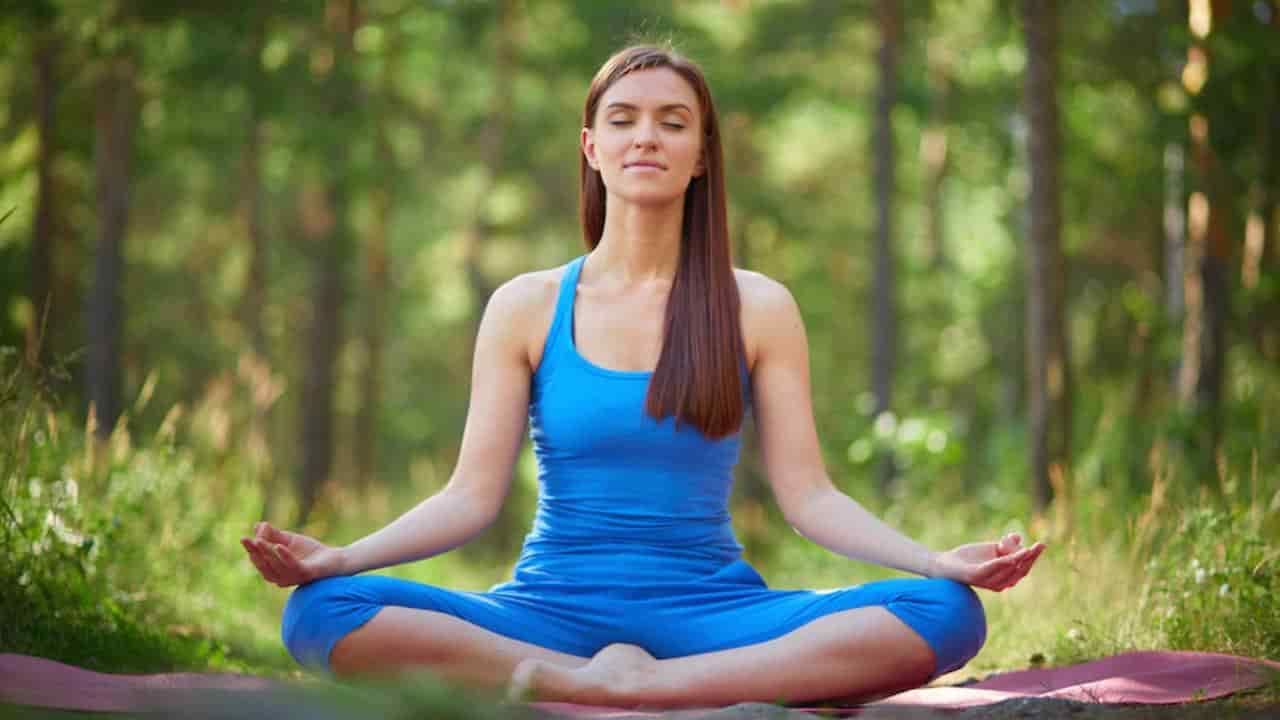
In the frantic rhythm of modern life, where each moment feels marked by the incessant tick of a clock or the swipe of a screen, the pursuit of peace seems more elusive than ever. Meditation, an ancient practice rooted in mindfulness, provides a refuge from the chaotic noise of daily existence, offering a pathway to clarity, calm, and self-awareness. Once relegated to the realms of spiritual tradition, it has evolved into a popular practice embraced by individuals seeking balance and a deeper connection with their inner selves. But what is it about meditation that has allowed it to endure through centuries and across cultures? And more importantly, why does it remain such a powerful tool for self-transformation?
The Origins and Evolution of Meditation
Meditation’s origins trace back over 5,000 years, with its earliest recorded forms found in the ancient civilizations of India and China. In Hinduism, the practice was seen as a means to align the mind, body, and spirit with the divine. Similarly, in Buddhism, meditation was not only a means of spiritual enlightenment but also a path to liberating the mind from the afflictions of desire and attachment.
These early forms of meditation were often linked to the pursuit of transcendence or a heightened state of consciousness. In the West, meditation was historically associated with religious or mystical practices, often taking on a more esoteric and private nature. However, as the centuries unfolded, the concept of meditation expanded beyond the confines of religious doctrine, finding a place in the broader quest for personal well-being.
The 20th century saw a significant shift in meditation’s role, as it became increasingly secular and integrated into modern psychological practices. Influential figures like Maharishi Mahesh Yogi, the founder of Transcendental Meditation, and Jon Kabat-Zinn, the creator of Mindfulness-Based Stress Reduction (MBSR), helped demystify meditation for Western audiences, presenting it as a scientific and accessible method for reducing stress and enhancing mental health.
The Science Behind Meditation
One of the primary reasons meditation has gained such widespread appeal is its well-documented benefits for both the mind and body. Numerous studies have demonstrated that regular meditation practice can lead to reduced stress, improved emotional regulation, and enhanced cognitive function. This is due, in part, to the brain’s remarkable neuroplasticity—the ability to reorganize itself by forming new neural connections in response to learning and experience.
When practiced consistently, meditation has been shown to increase the size of the prefrontal cortex, the area of the brain associated with executive functions like decision-making, focus, and self-control. It can also reduce the size of the amygdala, the brain’s “fear center,” thereby decreasing emotional reactivity and fostering a greater sense of calm and resilience in the face of stress.
Furthermore, meditation can promote the activation of the parasympathetic nervous system, often referred to as the “rest and digest” system. This physiological response helps lower heart rate, reduce blood pressure, and regulate other bodily functions, contributing to an overall sense of well-being.
The Varieties of Meditation
While all forms of meditation share the common goal of cultivating mindfulness and self-awareness, there are numerous techniques and practices, each with its own unique approach. The diversity of meditation methods allows individuals to find a style that resonates most deeply with their personal needs and preferences.
Mindfulness Meditation: Rooted in Buddhist traditions, mindfulness meditation involves focusing one’s attention on the present moment, observing thoughts, emotions, and sensations without judgment. The practice encourages individuals to simply be with their experiences rather than reacting or attempting to change them. Mindfulness meditation has been shown to reduce symptoms of anxiety, depression, and chronic pain.
Transcendental Meditation (TM): Transcendental Meditation is a mantra-based practice where practitioners silently repeat a specific word or sound (called a mantra) to help focus the mind and achieve a deep state of relaxation. TM is often practiced for 20 minutes twice a day, and research has shown that it can lower blood pressure, improve cardiovascular health, and reduce stress.
Loving-Kindness Meditation (Metta): This practice involves focusing on cultivating feelings of love, compassion, and goodwill toward oneself and others. By mentally repeating phrases like “May I be happy, may I be healthy, may I be at peace,” individuals develop a sense of interconnectedness and empathy. Loving-kindness meditation has been linked to improved emotional well-being and greater social connection.
Zen Meditation (Zazen): A form of seated meditation, Zen emphasizes posture and breathing as a means to attain mental clarity and enlightenment. Practitioners typically sit in a cross-legged position, focusing on the breath and allowing thoughts to pass without attachment. The practice is simple but profound, requiring patience and discipline.
Guided Meditation: For those new to the practice, guided meditation can be a helpful entry point. In this form, a teacher or recording leads the practitioner through a visualization or series of instructions, helping to focus the mind and deepen the meditation experience. Guided meditations can be centered around relaxation, stress relief, self-compassion, or even creative inspiration.
Meditation’s Role in Modern Life
Despite the growing body of research highlighting the benefits of meditation, many people still find it difficult to incorporate into their daily lives. In a world obsessed with productivity and constant stimulation, taking time to sit still and “do nothing” can feel counterintuitive. Yet it is precisely this stillness that provides the antidote to the noise and frenzy that so often define modern existence.
Incorporating meditation into daily life can take many forms, whether through a few minutes of focused breathing upon waking, a mid-afternoon pause for mindfulness, or a longer session at the end of the day. The key is consistency. Meditation is not a quick fix; it is a lifelong practice that cultivates patience, discipline, and presence.
Moreover, meditation offers a potent antidote to the rise of digital distractions that pervade our lives. With the constant influx of information from social media, news outlets, and entertainment platforms, many individuals struggle with attention fatigue and an inability to “switch off.” Meditation provides a sacred space where the mind can rest from this overload and reconnect with the present moment, fostering greater mental clarity and emotional balance.
Conclusion: The Path to Inner Peace
In a world that often encourages us to look outward for happiness, success, and fulfillment, meditation invites us to turn inward, discovering a deeper well of peace, resilience, and self-understanding. Whether through mindfulness, transcendence, or loving-kindness, meditation teaches us to cultivate a quiet space where the clutter of daily life can be set aside, and the true nature of the self can emerge.
The practice of meditation is not merely an escape from reality but a profound engagement with it. It is an invitation to observe, accept, and ultimately transform the mind’s habits, leading to a more balanced and intentional way of being. As we navigate the complexities of modern life, meditation offers a timeless remedy—an art of inner peace that has the potential to enrich every aspect of our lives.

Comments are closed.