

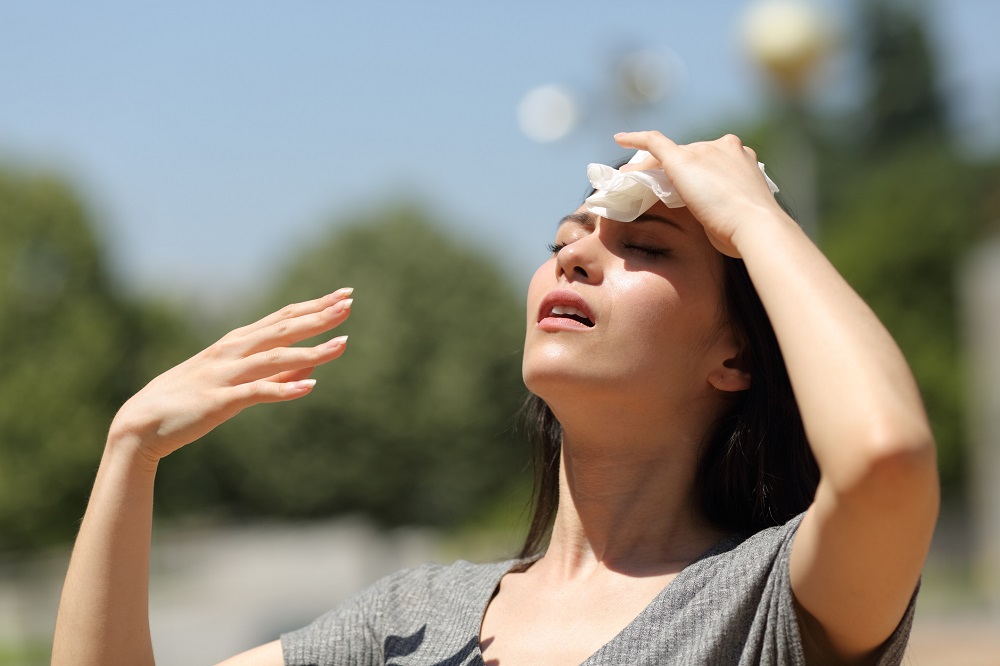
The human body constantly interacts with its surrounding environment. As the seasons shift, changes in temperature, humidity, wind exposure, and sunlight trigger physiological adaptations in both the skin and hair. The epidermal barrier, which acts as the primary shield against external stressors, must continuously adjust its lipid and moisture levels to maintain homeostasis. Similarly, hair follicles respond to seasonal rhythms, affecting everything from structural structural integrity to natural shedding patterns.
Understanding the specific biological mechanisms behind these changes allows for a proactive approach to personal care. Rather than treating issues like dryness, oiliness, or breakage after they occur, recognizing how each season alters your physiology helps you adapt your daily routines to prevent damage entirely.
Winter The Impact of Cold, Arid Air
Winter presents a severe challenge to the integrity of the skin barrier. The combination of plummeting outdoor temperatures and indoor heating systems creates an environment with exceptionally low relative humidity. This lack of ambient moisture accelerates a process known as transepidermal water loss, where water evaporates from the deeper layers of the skin into the dry air.
The Breakdown of the Lipid Barrier
When exposed to prolonged cold, the skin reduces its production of essential lipids, including ceramides, cholesterol, and fatty acids. These lipids form the cellular mortar that holds the skin cells together. A depletion of this protective layer creates microscopic cracks in the stratum corneum, the outermost layer of the epidermis.
This structural compromise leads to several distinct physiological responses:
-
Increased Sensitivity: Irritants, pollutants, and allergens easily penetrate the compromised barrier, causing redness, inflammation, and itching.
-
Xerosis: This is the medical term for abnormally dry skin, characterized by scaling, flaking, and a rough texture.
-
Slowing of Cellular Turnover: Cold weather slows down the natural shedding of dead skin cells, resulting in a dull, lackluster appearance.
Winter Scalp and Hair Concerns
The hair and scalp are equally vulnerable to winter conditions. The lack of moisture in the air strips the scalp of its natural sebum, leading to dryness and irritation. This environment often exacerbates dandruff, a condition linked to the overgrowth of a naturally occurring yeast called Malassezia, which thrives when the scalp barrier is weakened.
For the hair shaft itself, low humidity eliminates the thin layer of surface moisture that keeps the cuticle flat. The cuticle is the outermost shingles-like layer of the hair strand. When it becomes dehydrated, the cuticle lifts, making the hair highly porous and brittle. This structure increases friction between individual strands, leading to static electricity, severe tangling, and split ends.
Spring Transitional Fluctuations and Allergens
Spring is characterized by fluctuating weather patterns, rising temperatures, and a massive surge in airborne allergens. As the climate transitions from cold to warm, the skin and hair must readapt to changing humidity levels, which can cause unpredictable biological shifts.
Increased Sebum Production and Allergic Reactivity
As outdoor temperatures rise, the sebaceous glands become more active. Studies show that sebum production increases significantly with every degree rise in temperature. While this helps restore the lipid barrier depleted by winter, a sudden surge in oil mixed with lingering dead skin cells can clog pores, leading to springtime breakouts.
Simultaneously, the air becomes saturated with tree and grass pollen. These environmental allergens do not just affect the respiratory system; they also land directly on the skin. If the skin barrier has not fully recovered from winter damage, these particles penetrate the epidermis, triggering an immune response that manifests as hives, swelling, contact dermatitis, or eczema flare-ups.
Managing Spring Hair Shedding
Many individuals notice increased hair shedding during the spring months. This phenomenon is often linked to seasonal telogen effluvium, a temporary shedding condition. The human hair cycle consists of a growth phase (anagen), a regression phase (catagen), and a resting phase (telogen).
Changes in daylight hours and temperature during seasonal transitions can signal a higher percentage of hair follicles to enter the telogen phase simultaneously. After a few weeks or months in the resting phase, these hairs naturally drop out to make room for new growth, resulting in noticeable shedding during brushing or washing.
Summer Extreme UV Exposure and High Humidity
Summer brings high temperatures and elevated humidity levels, completely reversing the environmental challenges seen in winter. While the abundance of moisture in the air prevents transepidermal water loss, the combination of heat, sweat, and intense ultraviolet radiation presents a new set of dermatological concerns.
Overactive Glands and UV Damage
High humidity traps sweat and oils on the skin surface, preventing efficient evaporation. This creates a warm, moist environment that alters the skin microbiome, encouraging the proliferation of acne-causing bacteria like Cutibacterium acnes.
Furthermore, ultraviolet radiation damages the skin on a cellular level:
-
Epidermal Thickening: In response to UV exposure, the skin rapidly produces more cells to protect itself, resulting in a thickened stratum corneum that can easily trap sebum and cause deep, cystic acne.
-
Degradation of Collagen: UV rays penetrate deep into the dermis, breaking down collagen and elastin fibers, which leads to premature aging, fine lines, and structural sagging.
-
Hyper-Pigmentation: Solar radiation triggers melanocytes to produce excess melanin, resulting in sunspots, melasma, and uneven skin tone.
The Toll of Sun, Chlorine, and Saltwater on Hair
Summer can be devastating to hair health due to environmental exposure. UV radiation acts as a natural bleaching agent, degrading the melanin pigments that give hair its color. This photo-bleaching process alters the chemical structure of the hair shaft, breaking down the disulfide bonds that provide structural strength to the inner cortex.
Furthermore, frequent swimming introduces hair to chlorine or saltwater. Chlorine is a strong chemical oxidizer that strips away the hair protective lipid coating, leaving it porous and highly prone to chemical damage. Saltwater, being hypertonic, draws water directly out of the hair shaft through osmosis, leaving the strands completely dehydrated, stiff, and prone to breaking upon manipulation.
Autumn The Cooling Phase and Repair Period
Autumn functions as a critical recovery period for both skin and hair. As temperatures and humidity levels begin to drop, the body must repair the cellular damage incurred during the summer while preparing for the upcoming harsh winter conditions.
Addressing Summer Hyper-pigmentation and Dehydration
During autumn, the skin often exhibits the cumulative damage of summer sun exposure. Dehydration can co-exist with a dull texture as the skin attempts to shed the thickened epidermal layer built up as a defense against UV rays. This is the optimal time for the skin to undergo cellular repair, as the lower UV index reduces the risk of post-inflammatory hyper-pigmentation during treatments.
Preparing the Hair Follicles for Cold Weather
Similar to spring, autumn is another peak period for seasonal hair shedding. The scalp often experiences a rebound effect after being exposed to intense summer heat and sweat, which can lead to localized inflammation or dryness. Ensuring proper scalp nutrition and avoiding aggressive chemical treatments during this time helps reinforce the hair follicles before the dry winter air arrives.
Frequently Asked Questions
Why does my skin break out more when the seasons change from winter to spring?
The transition from winter to spring involves a rapid rise in ambient temperature and humidity, which stimulates the sebaceous glands to produce more sebum. Because the skin is often still recovering from winter dryness, dead skin cells can accumulate on the surface. When the sudden surge of oil mixes with these un-exfoliated cells, it forms a plug inside the pores, creating an ideal environment for acne-causing bacteria to multiply.
Does cold weather cause lips to chap more than other areas of the face?
Yes. The skin on the lips is anatomically distinct from the rest of the face. It lacks sebaceous glands, meaning it cannot produce its own protective lipid layer to seal in moisture. Additionally, the stratum corneum of the lips is exceptionally thin. This makes the lips highly susceptible to rapid moisture evaporation when exposed to cold, windy, or low-humidity conditions.
How does indoor heating affect my skin health during the colder months?
Indoor heating systems work by warming the air, which drastically lowers its relative humidity. This dry indoor air acts like a sponge, drawing water out of the epidermis through trenespidermal water loss. Prolonged exposure to indoor heating dries out the protective skin barrier, leading to irritation, flaking, and a worsening of chronic skin conditions like eczema or psoriasis.
Can seasonal weather changes cause an itchy, flaky scalp without having dandruff?
Yes. An itchy, flaky scalp can be caused by simple dehydration rather than true dandruff. True dandruff is triggered by an inflammatory response to an overgrowth of yeast on an oily scalp, resulting in large, yellowish, oily flakes. In contrast, a dry scalp caused by cold weather or low humidity results in small, white, dry flakes accompanied by a tight, itchy sensation due to a lack of moisture.
Why does my hair look frizzy in the summer but static-prone in the winter?
Frizz and static are caused by opposite environmental conditions. In the summer, high humidity causes porous hair shafts to absorb water molecules from the air, making the protein structures inside the strand swell unevenly and lift the cuticle. In the winter, the air is extremely dry, which strips moisture from the hair. Without a lubricating layer of moisture, friction increases, allowing negative electrical charges to build up on the hair strands, causing them to repel each other.
Is it necessary to change my sunscreen formula between summer and winter?
While you must wear sunscreen year-round because ultraviolet radiation penetrates cloud cover, you may want to alter the formulation based on the season. In the summer, a lightweight, oil-free, or water-resistant sunscreen is ideal to handle increased sweat and sebum. In the winter, switching to a cream-based sunscreen containing hydrating ingredients like ceramides or glycerin can help protect your skin barrier from cold-weather drying.
Why does my skin feel tighter right after washing it in autumn compared to summer?
In the summer, higher humidity and active oil glands keep the surface of your skin naturally lubricated, allowing it to tolerate stronger cleansers. As autumn brings cooler air and lower humidity, your skin baseline oil production decreases. If you continue using the same deep-cleansing or foaming face wash from the summer, it will strip away the reduced oils, leaving the skin barrier depleted and causing a tight, uncomfortable sensation.

Comments are closed.