

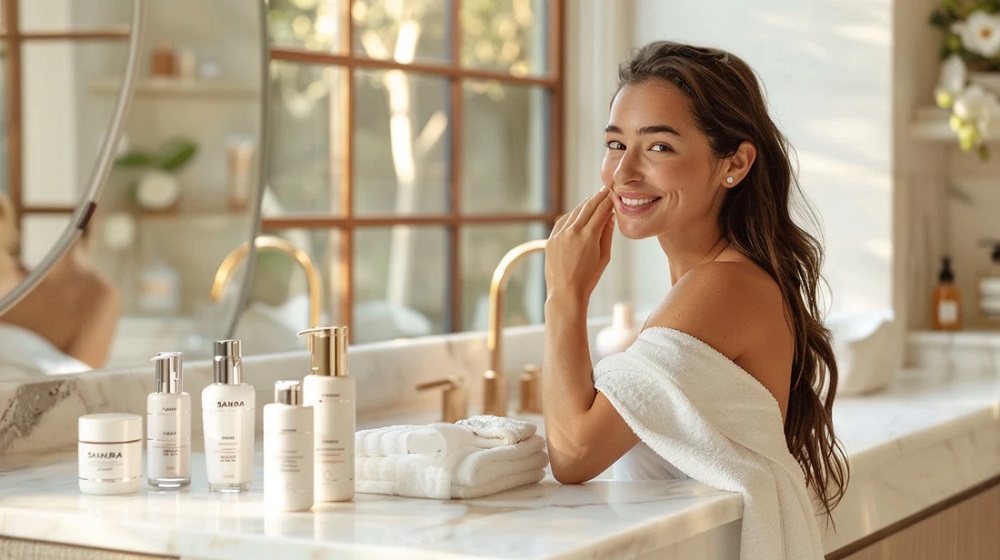
The modern skincare landscape can feel incredibly overwhelming. Social media feeds are filled with multi-step regimens, luxury beauty product recommendations, and expensive clinical treatments that cost hundreds of dollars. This constant marketing creates a widespread misconception: the idea that achieving healthy, glowing skin requires a massive financial investment.
In reality, dermatology confirms that the human skin barrier does not care about a product’s price tag, luxury packaging, or exotic brand status. It cares about consistent care, protective formulas, and proven active ingredients. By stripping away marketing gimmicks and focusing on basic biological needs, everyday people can build a highly effective, budget-friendly skincare routine that delivers exceptional results without breaking the bank.
The Biology of the Core Three Routine
The foundation of dermatological care does not rely on twenty different serums. Instead, it centers on an essential three-step framework designed to support the skin’s natural architecture. Understanding how these steps interact mathematically reduces the need to purchase unnecessary targeted treatments.
Step One: Gentle Cleansing
The primary purpose of a cleanser is to remove oil, sweat, environmental pollutants, dead skin cells, and makeup without disrupting the acid mantle. The acid mantle is a delicate, slightly acidic film on the surface of the skin that acts as a barrier against bacteria and moisture loss.
Expensive cleansers often market added active ingredients like vitamins or botanical extracts. However, because a cleanser stays on the face for less than sixty seconds before being rinsed down the drain, these high-priced ingredients have virtually zero time to penetrate the skin barrier. Investing in a basic, fragrance-free drugstore cleanser is just as effective as using a high-end department store alternative.
Step Two: Hydration and Moisture Barrier Repair
A good moisturizer works by sealing hydration into the stratum corneum, which is the outermost layer of the epidermis. Effective moisturizers rely on three core types of ingredients:
-
Humectants: Molecules like glycerin and hyaluronic acid that pull water into the skin from the surrounding air.
-
Emollients: Ingredients that smooth out the surface of the skin by filling in microscopic gaps between skin cells.
-
Occlusives: Substances that create a physical seal over the skin surface to block trans-epidermal water loss.
Basic, budget-friendly moisturizers available at local pharmacies often contain standard, highly effective concentrations of these exact components, proving that reliable moisture barrier repair is incredibly inexpensive.
Step Three: Daily UV Protection
Sunscreen is the single most important component of any skincare routine, regardless of your budget. Up to eighty percent of visible skin aging, including fine lines, deep wrinkles, hyperpigmentation, and loss of structural elasticity, is caused by chronic exposure to solar ultraviolet radiation.
Furthermore, daily sunscreen application provides vital protection against skin cancers. The best sunscreen is simply one that an individual will wear consistently every day. Many affordable drugstore sunscreens now feature advanced, lightweight textures that rival expensive luxury formulations.
Decoding Ingredient Labels to Avoid the Luxury Markup
One of the easiest ways everyday people save money on skincare is by learning to read the ingredient list, which is typically found on the back of the product packaging. Cosmetic brands routinely apply a massive markup to products simply because of luxury branding, even though the active ingredients inside are structurally identical to those found in budget-friendly alternatives.
Look for Proven, Multi-Tasking Actives
Instead of purchasing five different specialized products, consumers can search for affordable formulations that feature reliable, multi-tasking active ingredients.
-
Niacinamide (Vitamin B3): This single ingredient regulates oil production, minimizes the appearance of enlarged pores, reduces redness, fades dark spots, and strengthens the skin’s barrier function simultaneously.
-
Salicylic Acid (Beta Hydroxy Acid): An oil-soluble acid that penetrates deep inside pores to dissolve sebum and dead skin buildup. It acts as an effective spot treatment and an all-over texturizer for oily or acne-prone skin types.
-
Retinol (Vitamin A Derivatives): Widely recognized as the gold standard for healthy skin aging. It accelerates cellular turnover and stimulates collagen production, targeting fine lines and uneven texture at an incredibly affordable price point.
Strategic Product Layering and Practical Minimization
Building an affordable skincare routine requires eliminating the structural redundancy that occurs when using too many products at the same time. Using an excessive number of products can cause severe chemical irritation, redness, and breakouts, which often forces people to buy even more corrective products to fix the damage.
Maximizing Product Longevity
-
Apply Products to Damp Skin: Applying moisturizer to slightly damp skin helps humectants trap extra water molecules, making a small amount of product go much further.
-
Use True Pea-Sized Amounts: Highly active treatments like retinol only require a small, pea-sized amount for the entire face. Using more product does not speed up your results; it simply wastes money and increases the risk of skin irritation.
-
Skip the Morning Cleanse: For individuals with dry or sensitive skin, washing the face with plain lukewarm water in the morning is often completely sufficient. This simple adjustment preserves natural lipids and cuts cleanser consumption exactly in half.
Smart Shopping Strategies for Everyday People
Navigating the retail environment requires a tactical approach to avoid falling for psychological marketing traps. Brands frequently use specific keywords to justify higher prices, even when the underlying formula is incredibly basic.
Rely on Established Drugstore Brands
Major pharmaceutical and cosmetic conglomerates possess massive research facilities and scale-economies that boutique luxury brands simply cannot match. Because these larger corporations manufacture products in massive quantities, they can offer highly stable, dermatologist-tested formulas containing ceramides, hyaluronic acid, and peptides at a fraction of the cost of smaller luxury lines.
Buy Multi-Use, Family-Sized Packaging
Products marketed exclusively for the delicate skin of the face often command a higher price per ounce compared to general body lotions. However, many large, family-sized moisturizing creams and lotions are formulated with incredibly clean, non-comedogenic ingredients, meaning they will not clog pores. Using these larger bottles for both the face and the body provides exceptional long-term financial savings.
Frequently Asked Questions
Is there a major difference between medical-grade skincare and drugstore products?
The term medical-grade skincare is primarily a marketing designation rather than a formal regulatory classification. While these specialized products are often sold in clinical offices and may feature high concentrations of specific active ingredients, drugstore products are regulated under the exact same federal safety guidelines. Many affordable over-the-counter options utilize identical, clinically proven molecules that deliver identical biological results.
How can someone treat active acne breakouts on a strict budget?
Effective acne management can be achieved cheaply by using proven, single-active drugstore treatments. A basic routine consisting of a gentle cleanser, a thin layer of over-the-counter benzoyl peroxide or salicylic acid gel, and a non-comedogenic moisturizer can clear breakouts efficiently. These simple, budget-friendly active ingredients lower bacterial levels and clear out blocked pores without the need for expensive multi-product kits.
Do expensive eye creams provide better results than a standard facial moisturizer?
In most cases, specialized eye creams are simply standard facial moisturizers sold in much smaller jars at a significantly higher price per ounce. Unless an individual requires a highly specific active ingredient formulated at a very low concentration to prevent irritation, a gentle, fragrance-free facial moisturizer can be safely applied around the orbital bone to provide the exact same level of hydration.
Can home remedies like lemon juice or baking soda be used as cheap skincare?
No, using harsh household ingredients like lemon juice, raw baking soda, or apple cider vinegar directly on the skin can cause severe chemical damage. Lemon juice is highly acidic and can induce severe sun sensitivity and chemical burns, while baking soda is highly alkaline and strips away the protective acid mantle completely. Safe, affordable drugstore products are properly formulated and pH-balanced to avoid these dangerous reactions.
Why do some affordable skincare products smell bad or unusual?
Many budget-friendly dermatological brands intentionally formulate their products entirely without added artificial fragrances or masking scents. Artificial fragrances are a leading cause of localized allergic contact dermatitis and skin irritation. The unusual or clinical scent of an affordable product is simply the natural smell of the raw, functional ingredients working together without unnecessary, potentially irritating perfume additives.
How can a consumer determine if an affordable product will cause a breakout?
Price has no connection to whether a product will cause a breakout. To protect your skin, search for the word non-comedogenic on the label, which indicates the formula has been specifically designed not to clog pores. Additionally, performing a patch test by applying a small amount of the product behind the ear or on the inner wrist for three consecutive days can help you identify any potential sensitivity before applying it to your entire face.

Comments are closed.