

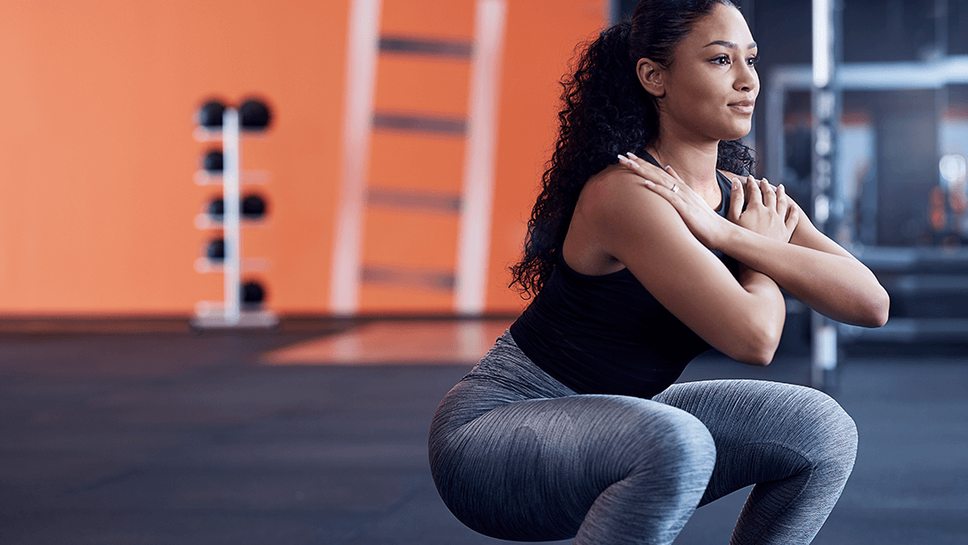
No Gym? No Problem.
Let’s get real for a second. Life gets hectic. Sometimes you just don’t have time to hit the gym, or maybe you’re travelling, stuck at home, or simply don’t feel like lugging around dumbbells and gear. That’s where fitness HIIT training without equipment steps in. It’s raw, effective, and incredibly versatile. All you need is your body—and the will to sweat.
The Beauty of Bodyweight HIIT
High-Intensity Interval Training doesn’t rely on rows of machines or fancy weights. In fact, your own body is the perfect resistance tool. Think push-ups, burpees, mountain climbers. These moves build strength, improve endurance, and torch calories, all without touching a single piece of equipment.
Let’s break it down.
What Makes Bodyweight HIIT So Effective?
-
Portable: Do it anywhere—hotel room, living room, or park
-
Fast: 20 minutes or less can deliver incredible results
-
Scalable: Modify for any fitness level
-
Efficient: Activates multiple muscle groups simultaneously
Building a No-Equipment HIIT Routine
You don’t need a personal trainer yelling in your ear. You just need a plan.
Example Routine: The 20-Minute Burner
Set a timer and go:
-
Squat jumps – 40 seconds
-
Push-ups – 40 seconds
-
Mountain climbers – 40 seconds
-
Rest – 20 seconds
Repeat the circuit 4 times
You’ll be dripping by the end, and your heart will thank you later.
What Muscles Get Worked?
You’d be surprised how comprehensive bodyweight HIIT is.
-
Lower body: Squats, lunges, high knees
-
Upper body: Push-ups, triceps dips (use a chair if needed)
-
Core: Planks, leg raises, bicycle crunches
-
Cardio: Burpees, jumping jacks, skaters
Each session hits strength and stamina together. That’s the HIIT advantage.
Real Life, Real People
Take Marcus. He’s a 29-year-old architect with a crazy schedule. His gym closed during renovations and he didn’t want to break his routine. So he turned to equipment-free HIIT.
“I started doing 15-minute sessions every morning before my coffee,” he said. “The energy boost was insane. I didn’t think I could sweat that much without a gym.”
Within a month, Marcus saw definition in his arms, better sleep, and a noticeable difference in his productivity.
Pacing and Progression
Start slow. Really. The biggest mistake beginners make is going full throttle on day one. Burnout is real.
Beginner Tips
-
Start with 20 seconds work, 40 seconds rest
-
Focus on form, not speed
-
Two to three sessions per week is plenty
As your stamina improves, dial it up.
Progression Ideas
-
Reduce rest time
-
Increase work intervals to 45–50 seconds
-
Add movement combos: push-up + plank tap, jump lunge + squat
What About Recovery?
This part’s important. HIIT is intense, so recovery is non-negotiable.
-
Hydrate like it’s your job
-
Stretch your quads, hamstrings, shoulders, and calves
-
Try foam rolling or a brisk walk the day after
Incorporating active recovery ensures you stay consistent without burning out.
When and Where to Train
The great thing about bodyweight HIIT is its flexibility. Morning? Perfect. Midday? Absolutely. On a break between meetings? Go for it.
Try a few spots:
-
Balcony or rooftop
-
Living room
-
Hotel hallway (yes, even that)
-
Nearby park or open space
And if you crave energy and accountability, joining a group class at TFX Singapore adds that extra boost while still offering HIIT-style intensity—often without needing any gear.
Bullet Points: Why No-Equipment HIIT Just Works
-
No gym membership needed
-
Flexible with time and space
-
Full-body workout in under 25 minutes
-
Works for all fitness levels
-
Builds strength, burns fat, improves mood
Mistakes to Avoid
-
Skipping warm-ups: Always prep your joints and get the blood flowing
-
Bad form: Watch tutorial videos if unsure
-
Overtraining: Rest days are your friend
-
Ignoring pain: There’s a difference between challenge and injury
How to Stay Motivated Without Gear
When you’re training solo with no machines or mirrors, motivation can dip. Here’s how to keep the fire alive:
-
Use music playlists designed for HIIT
-
Set short-term goals (like completing 3 sessions per week)
-
Track your performance: reps, rounds, time
-
Celebrate small wins (like holding a plank 10 seconds longer)
And if you find yourself craving a little more structure or support, look into hybrid options at professional studios that blend bodyweight intervals with dynamic coaching.
Frequently Asked Questions
Q. Will bodyweight-only HIIT help me lose weight?
A. Yes. HIIT burns a significant amount of calories in a short period and continues burning energy post-workout. Bodyweight moves like burpees, jump squats, and planks also build lean muscle, which supports fat loss over time.
Q. Can I build muscle without equipment?
A. You can build functional strength and tone with bodyweight exercises. While you may not get bodybuilder-sized results, you’ll gain definition, core strength, and muscular endurance.
Q. How do I make bodyweight HIIT harder over time?
A. You can shorten rest intervals, increase duration, add new compound moves, or combine exercises. Small progressions keep the challenge going.
Q. Do I need a mat or any special surface?
A. A yoga or exercise mat is helpful for floor-based movements like planks or sit-ups. If you’re training outdoors, a towel works. Just make sure the surface is safe and not slippery.
Q. Is this style of HIIT safe for beginners?
A. Absolutely. Beginners should start with low-impact versions and gradually increase intensity. Listen to your body and scale according to how you feel.

Comments are closed.