

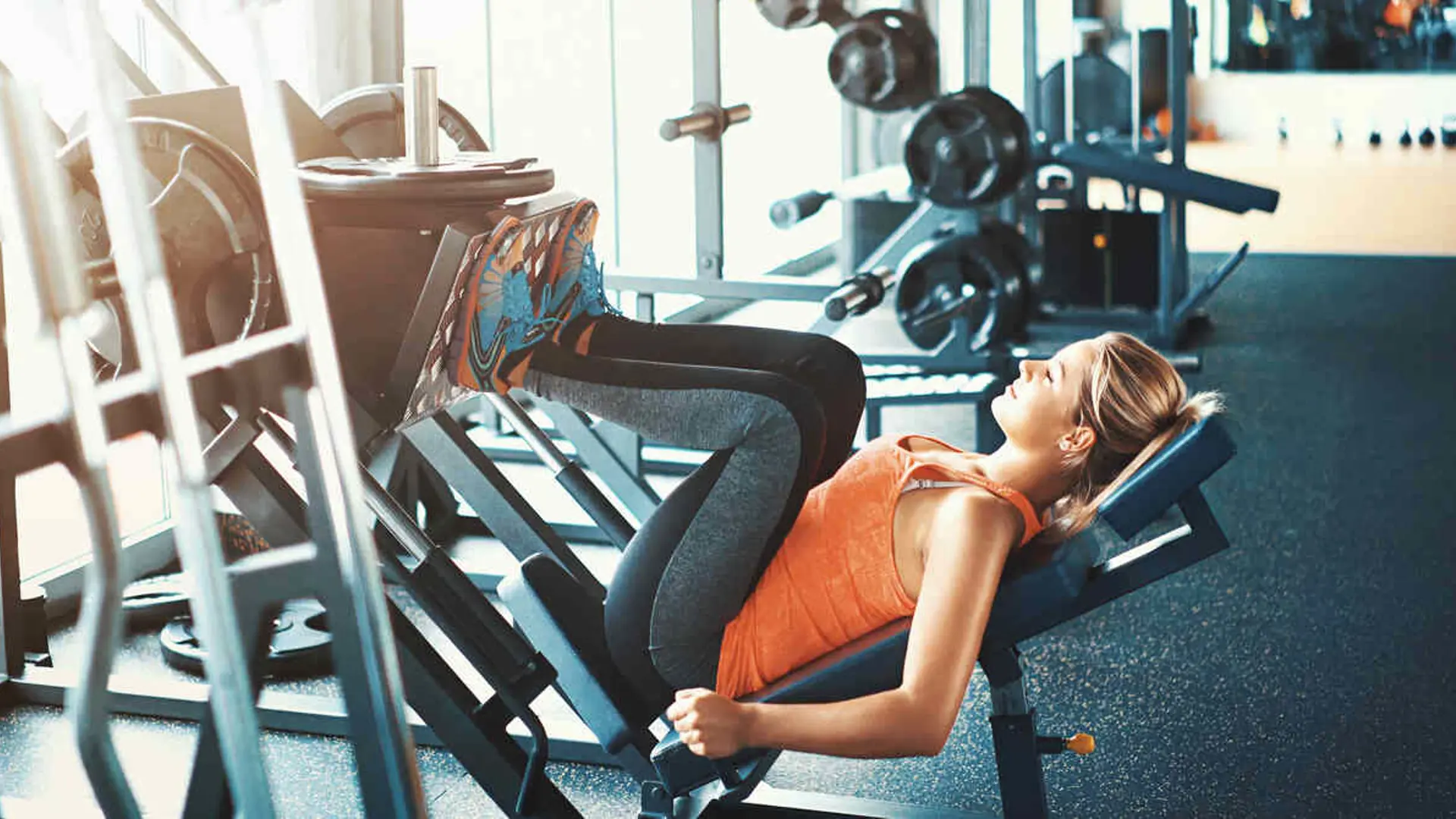
A search for gym singapore facilities may reveal an impressive range of strength and cardio equipment. However, access to a particular machine is never guaranteed, especially during lunchtime and after-work periods.
A full-body session should therefore be organised around movement objectives rather than a fixed list of machines. When members understand what each exercise is meant to achieve, they can make suitable substitutions without turning the workout into a random collection of available movements.
Start With Movement Patterns, Not Machine Names
A machine-based programme might list a leg press, chest press, seated row, leg curl and shoulder press. This is easy to follow when every station is available, but it provides little guidance when two or three machines are occupied.
A more adaptable plan identifies the movement represented by each exercise:
- Knee-dominant lower-body movement
- Hip-dominant lower-body movement
- Upper-body push
- Upper-body pull
- Trunk stability or loaded carry
This structure gives the workout a clear purpose. If the leg press is unavailable, the member knows that the goal is not merely to find another leg machine. The goal is to select another knee-dominant movement that can be performed effectively at the intended difficulty.
Create a Substitution Ladder in Advance
Waiting until the gym is crowded to invent alternatives can lead to poor decisions. It is better to create a substitution ladder before the session begins.
For each major exercise, prepare three levels:
- Preferred option: The exercise selected for the main programme
- Close alternative: A movement with similar loading and stability
- Practical backup: An option requiring simple or widely available equipment
For example, a planned chest press machine could be supported by a dumbbell bench press and an elevated push-up. These exercises are not identical, but all can provide a horizontal pressing stimulus.
A seated row machine might be supported by a cable row and a chest-supported dumbbell row. The alternatives preserve the pulling pattern while avoiding the unnecessary lower-back fatigue that might occur with a poorly chosen unsupported variation.
The substitution ladder should reflect the person’s experience and physical capabilities. An alternative is useful only if it can be performed confidently.
Protect the Most Important Exercises
Not every exercise deserves equal priority. A full-body session usually contains two or three movements that contribute most strongly to the programme’s objective.
If the session is designed to improve general strength, the key lower-body push, upper-body push and upper-body pull may be the highest priorities. Smaller isolation exercises can be moved, shortened or removed if time becomes limited.
It helps to label exercises before entering the gym:
- Essential: Complete unless there is a genuine reason not to
- Flexible: Move within the session or replace with a close alternative
- Optional: Complete only when time and equipment access permit
This prevents a common mistake in crowded gyms, spending too much time on whichever accessory machine happens to be free, then rushing the important movements at the end.
Use Exercise Zones to Reduce Wasted Time
A full-body workout does not require constant movement across the entire gym. In fact, too much movement between distant stations can increase waiting and make the session harder to manage.
One solution is to build the workout in zones. A dumbbell area may support goblet squats, split squats, bench presses, rows and shoulder work. A cable station can provide presses, rows, pulldowns and trunk exercises. A machine zone may contain several lower and upper-body options within a small area.
When a preferred machine is occupied, staying within the same zone often makes substitution easier. It also allows the member to monitor the original station without standing beside it or interrupting another person.
Zonal planning is particularly helpful for people with strict time limits. It reduces walking, equipment setup and the mental effort of repeatedly searching for the next exercise.
Avoid Turning the Session Into Unplanned Circuit Training
When the gym is busy, some members move rapidly between any available stations. This can keep them active, but it may also change the purpose of the workout.
A strength-focused session requires enough recovery to maintain force production and technique. If every exercise is performed with minimal rest because equipment might become occupied, cardiovascular fatigue can become the main limitation.
This does not mean that paired exercises are always inappropriate. A lower-body movement can sometimes be paired with a non-competing upper-body movement. The key is to maintain enough rest before repeating a demanding exercise.
For example:
- Goblet squat paired with a cable row
- Romanian deadlift paired with a push-up
- Split squat paired with a pulldown
These combinations can save time, but only when the exercises do not create excessive overlapping fatigue.
A Practical Full-Body Framework
A flexible session can be built using five movement slots.
Slot 1: Knee-Dominant Movement
Preferred options may include a leg press, hack squat or squat variation. If machines are occupied, a goblet squat, split squat or step-up may be suitable, depending on the person’s ability and programme.
Slot 2: Upper-Body Push
This may be a chest press, dumbbell press, cable press or push-up variation. The angle should be selected according to the programme rather than convenience alone.
Slot 3: Upper-Body Pull
Possible choices include machine rows, cable rows, pulldowns and supported dumbbell rows. Grip and elbow position can be adjusted, but the movement should still provide a clear pulling stimulus.
Slot 4: Hip-Dominant Movement
A Romanian deadlift, hip thrust, back extension or leg-curl variation may fill this position. These movements are not interchangeable in every respect, so the choice should reflect whether the programme prioritises hip extension or knee flexion.
Slot 5: Trunk or Carry Exercise
Cable anti-rotation work, loaded carries, controlled plank variations or other trunk exercises can complete the session. This slot should support the rest of the programme rather than simply create abdominal fatigue.
Adjust Volume When the Replacement Is Unfamiliar
A substitute exercise may use the same movement pattern but still feel very different. A person who regularly uses a stable machine may require more control when switching to dumbbells.
The first set should therefore be treated as an assessment. Instead of immediately matching the planned weight or repetitions, the member can evaluate technique, range of motion and perceived difficulty.
If the replacement creates a greater stability demand, fewer sets may be appropriate. Adding extra volume to compensate for using a different exercise can be counterproductive, particularly when the movement is unfamiliar.
The objective is to preserve the training stimulus, not to reproduce every number from the original plan at any cost.
Keep a Record of Successful Replacements
A training log becomes more useful when it records substitutions. Instead of writing only the exercise, weight and repetitions, the member can note why the change occurred and how well the alternative worked.
Useful observations include:
- Whether the target muscles received a similar challenge
- Whether the exercise caused unexpected joint discomfort
- Whether setup took too long
- Whether the available weight increments were appropriate
- Whether performance could be tracked consistently
Over time, this creates a personalised library of alternatives. Future crowded sessions become easier because the member already knows which substitutions work.
Use Different Training Options Across the Week
A full-body machine session does not need to carry the entire weekly programme. Members may combine independent strength training with instructor-led classes or personal training.
At True Fitness Singapore, access to gym equipment, group classes and coaching creates several ways to distribute training across the week. This can reduce dependence on one exact machine sequence during every visit.
Someone who completes a structured strength session twice a week might use cycling, yoga or another suitable class on a separate day. The best combination depends on the person’s goals, recovery and experience, but variety can be planned rather than improvised.
Flexibility Should Preserve Structure
An adaptable workout is not an unstructured workout. The session still needs a clear balance of lower-body work, pushing, pulling and appropriate trunk training.
The difference is that the programme defines outcomes rather than demanding one machine at one exact moment. This allows the member to respond to a busy gym without abandoning progression.
When substitutions are prepared in advance, equipment congestion becomes a manageable constraint. The member spends less time waiting, avoids unsuitable replacements and completes a more coherent full-body session, even when the preferred machines are occupied.

Comments are closed.